
Why Australian Design Trends Promote a Sustainable Lifestyle
Australian Design Principles
Minimalism and Functionality
Living sustainably in Australia involves embracing minimalist design and foregrounding functionality in our living spaces. This approach resonates with many young, creative professionals, particularly those in Brisbane who find inspiration along jogging routes beside the Brisbane River. Minimalism is about owning fewer items but ensuring these items serve clear purposes, thus reducing waste and clutter.
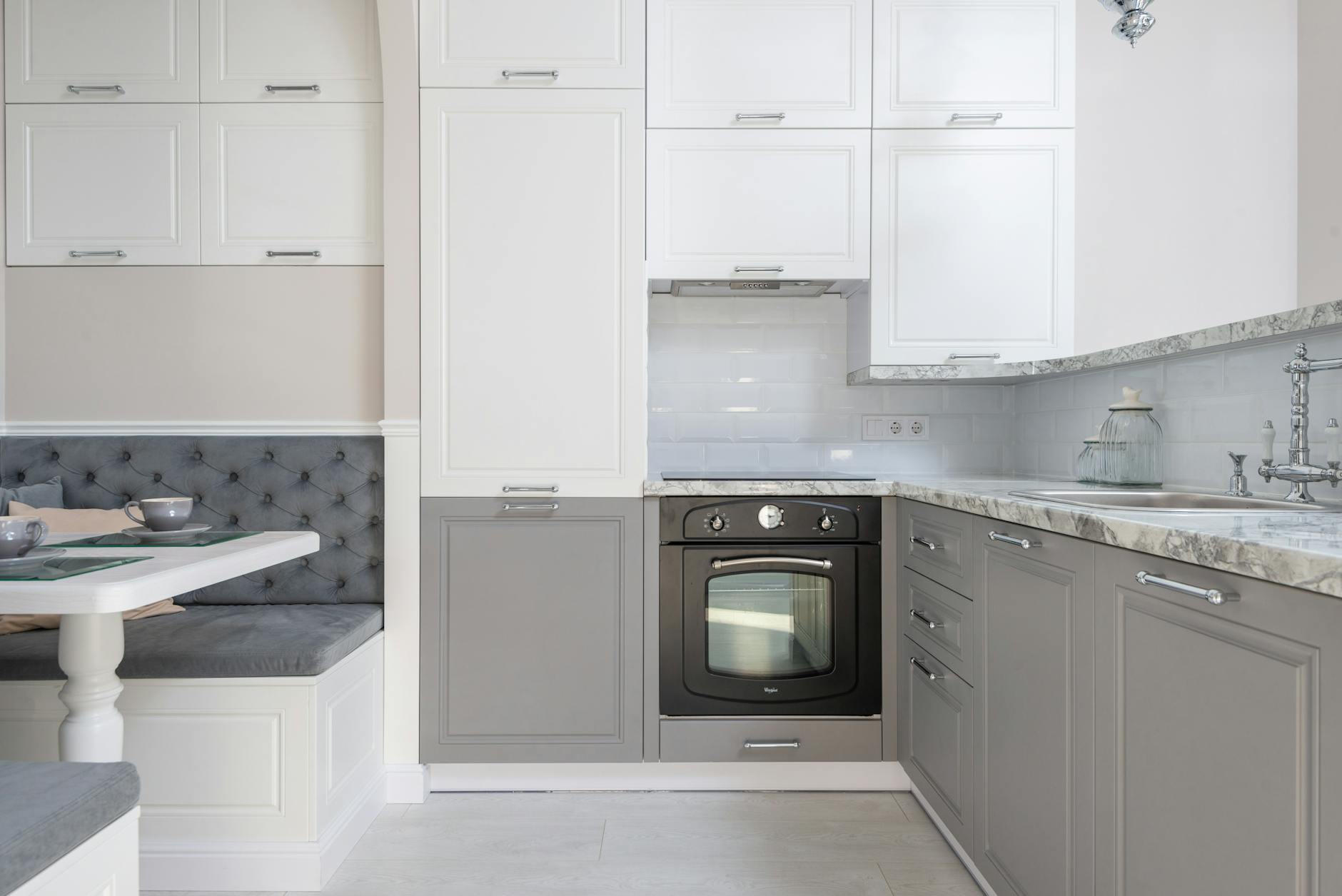
For kitchen and home appliances, minimalist design can be achieved through multipurpose products such as the 12 volt induction cooker. This appliance is not only compact, making it ideal for small kitchens, but also energy-efficient. Another clever addition to innovate your living space would be considering a commercial power washer for maintaining cleanliness in a sustainable manner. This type of design supports both aesthetic simplicity and environmental consciousness, truly reflecting the principle of form following function.
Use of Natural Materials
Materials play an integral role in achieving sustainable design principles. Incorporating natural elements in design can be seen in homes furnishing with pieces sourced from local markets like The Collective Markets at South Bank. Sustainable design also favors the use of recyclable and biodegradable materials which are often more accessible and environmentally friendly.
Integration with Nature
Efforts towards green living go beyond just reducing waste—they encourage a deeper connection with nature. Nature-based solutions, such as integrating more greenery into home designs, help emphasize well-being while lowering one's carbon footprint. Whether it’s through vertical garden installations or using recycled materials for an ss pressure cooker, embracing natural elements can produce functional and aesthetically pleasing living spaces.
Sustainability in Design
Renewable Resources Usage
In the quest for more sustainable homes, harnessing renewable resources is pivotal. As an advocate for sustainable living in Brisbane, I often draw inspiration from sources like the Queensland Art Gallery to fuel innovative ideas. A decor rice cooker made with biodegradable components is a great example of integrating renewable resources into everyday appliances. This approach not only reduces waste but also aligns with sustainable home practices.
Energy Efficiency in Products
Choosing energy-efficient products is essential for reducing your home's carbon footprint. Implementing appliances designed for optimum energy consumption, like a "weber grill outdoor kitchen," can significantly decrease energy usage. These products ensure functional living while keeping environmental impact at the forefront. Energy-efficiency doesn't just offer benefits to the planet; it can also lead to financial savings on utility bills.
Long-lasting Craftsmanship
Crafting products that stand the test of time contributes vastly to sustainability. The durability factor is a guiding principle in sustainable design, ensuring that products endure through years of use. A "mid century modern tv unit," known for its timeless design and lasting materials, exemplifies sturdy craftsmanship meeting aesthetic appeal. By investing in pieces built to last, we reduce the frequency of replacement and, consequently, the demand on natural resources.
Eco-Friendly Lifestyle Adoption
Designing for Compact Living
In the realm of sustainable living, designing for compact spaces can significantly contribute to reducing our environmental impact. In a bustling city like Brisbane, where small spaces are prevalent, incorporating multifunctional furniture and efficient storage solutions becomes essential. An intelligently designed small space can seamlessly accommodate a laifen hairdryer, integrating both style and practicality without overwhelming the area. By thoughtfully planning your living spaces, you can make every square metre work harder for you.
Reducing Waste Through Design
Waste reduction is a vital component of sustainable design, urging us to rethink how we consume and dispose of products. Incorporating modular furniture that can be easily disassembled or repurposed underscores the value of a circular economy. Consider investing in durable items like cookware le creuset, known for long-lasting quality and aesthetic appeal, reducing the need for frequent replacements. Inspiration from the Queensland Art Gallery can fuel your creativity, helping turn waste into something meaningful.
Encouraging Community Sharing
An integral aspect of eco-friendly lifestyles involves nurturing community-oriented habits, evident in initiatives such as the Collective Markets at South Bank, where locals exchange unique finds. By participating in sharing programs or local cooperatives, you can access items you might rarely use while fostering connections within the community. This sharing culture not only promotes sustainability but also enriches your lifestyle with meaningful experiences.
Overcoming Challenges in Sustainable Design
Balancing Cost and Sustainability
As someone who thrives on sustainable living, I'm often faced with the conundrum of balancing cost and sustainability in design. While eco-conscious materials can elevate the environmental value of a product, they tend to raise manufacturing expenses. The key is to adopt "green living strategies", such as integrating second-hand finds from local markets, much like the pieces you might stumble across at The Collective Markets at South Bank. In doing so, you reap the triple benefit of reducing costs, supporting local artisans, and ensuring sustainability.
Meeting Consumer Expectations
Navigating consumer demands is another layer of complexity. Today's young professionals, like those exploring jogging routes along the Brisbane River, desire products that are not only functional but also align with their eco-friendly ethos. For them, products need to be both edgy and kind to the planet, an expectation that can be met using multipurpose items such as a griller with energy-efficient technology. This reflects a harmonious blend of style and sustainability.
Overcoming Material Limitations
Sourcing materials that are sustainable yet versatile remains a hurdle. Incorporating eco-friendly materials without compromising on performance can challenge even the best designs. However, turning to brands like myer cookware can provide inspiration for incorporating recycled materials without sacrificing quality. This approach allows for the creation of stunning, sustainable designs that meet functional needs.
Through innovative solutions and a commitment to sustainable practices, these hurdles in eco-design become exciting opportunities for transformation rather than limitations.
Common Pitfalls to Avoid in Sustainable Design
Aesthetic Overemphasis
Inspiring a sustainable transformation in your home is exciting, but it's easy to get swept up by aesthetics. Many of us focus on creating visually appealing spaces influenced by inspirations like the Queensland Art Gallery. However, prioritising beauty can sometimes overshadow function and environmental responsibility. Striking a balance between style and sustainability is crucial. Aim for designs that are not only pleasing to the eye but also incorporate eco-friendly materials and efficient energy solutions. Consider minimalist designs that also ensure durability and promote an eco-friendly lifestyle.
Local Material Sourcing Neglect
Brisbane offers a wealth of incredible local resources, yet overlooking these can be a missed opportunity in our sustainable journey. Utilising local materials reduces the carbon footprint associated with transport and supports local businesses. It's like sourcing unique finds at The Collective Markets at South Bank—you're embracing individuality and sustainability at the same time. For those of us inspired by the versatility and richness of our landscape, incorporating locally sourced products seamlessly integrates our homes with nature.
Life Cycle Overlooking
In our pursuit of green living, it's vital not to overlook the life cycle of products. Sustainability is more than recycling; it's about understanding the full environmental impact of our choices. By planning product lifecycle assessments, we ensure long-term value and reduce waste. Evaluate how a product—from its creation to disposal—fits into the eco-friendly lifestyle we aspire to embrace. Let’s take inspiration from our leisurely jogs along the Brisbane River; like creating a vibrant ecosystem, our home should endure and thrive for years.